


Creating an Indivisible
Learning Community
Heather Antecol P’29
Vice President for Academic Affairs
Dean of the Faculty
James G. Boswell Professor of Economics
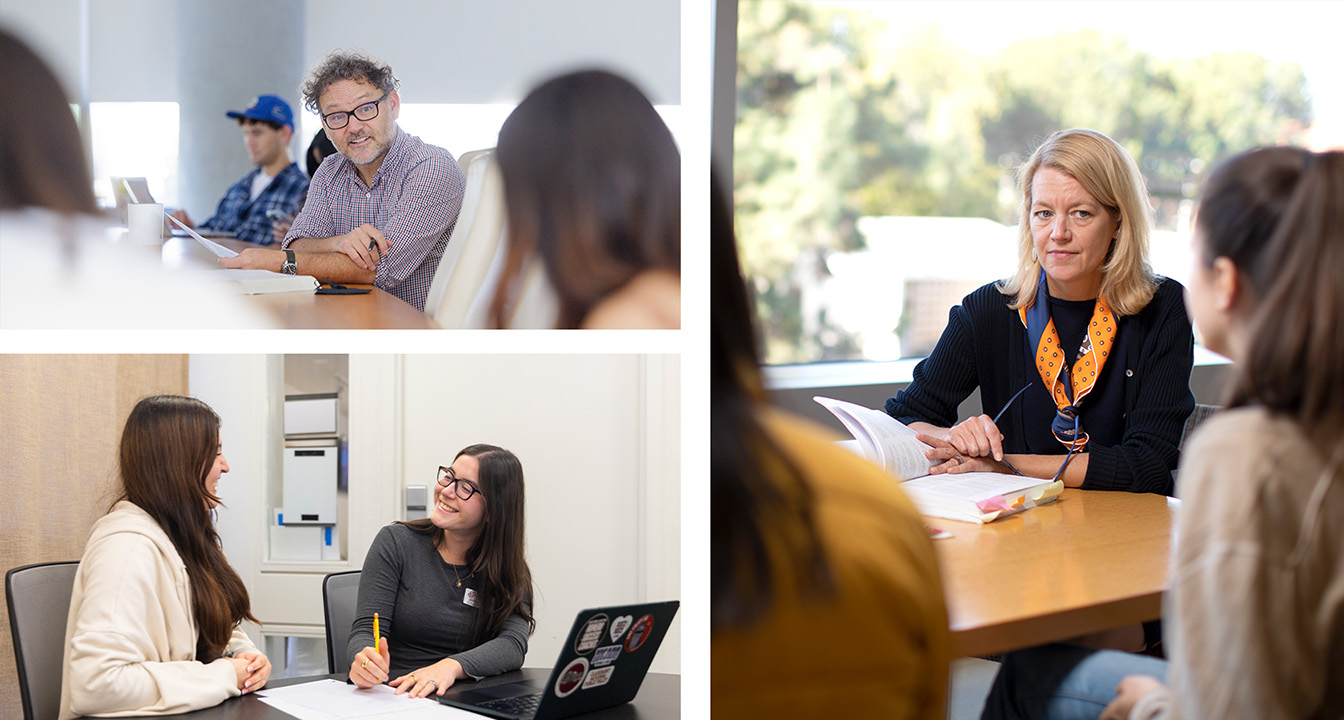
From the very beginning, Hiram understood how essential close student-faculty relationships are to who we are at CMC. I saw that in how he talked about students and in how carefully he listened to faculty. He didn’t just support faculty research in theory; he made people feel trusted and encouraged to take risks and try new ideas.
Wendy Lower
John K. Roth Professor of History
George R. Roberts Fellow
Hiram called it “liberal arts in action,” and it’s what encouraged interdisciplinarity in our teaching, research, and problem-solving. This not only strengthened our intellectual environment, but effectively built bridges across siloed departments and research institutes. I think all academic institutions contend with this challenge of trying to foster more holistic experiences and approaches, but Hiram was very deliberate and consistent in pursuing this during his entire tenure.
Diana Selig
Kingsley Croul Associate Professor of History
George R. Roberts Fellow
Going back to the search committee for Hiram, I recall him saying, “Education is the cornerstone of civilization. Liberal arts are the cornerstone of education.” And liberal arts are under duress. Even back in 2012, they were facing challenges around the country, and he saw it as his mission to defend them.
George Thomas
Burnet C. Wohlford Professor of American Political Institutions
At a time when liberal arts education is under siege, CMC is truly a model for the country. Perennial questions are at the heart of so many CMC classes, and the questions are treated as genuine questions that invite open and honest reflection from professors and students alike. Whether it is a course in political thought, law, history, or literature, students come to understand their world better and are prepared to bring their learning to bear on real-world problems.
Heather Antecol P’29
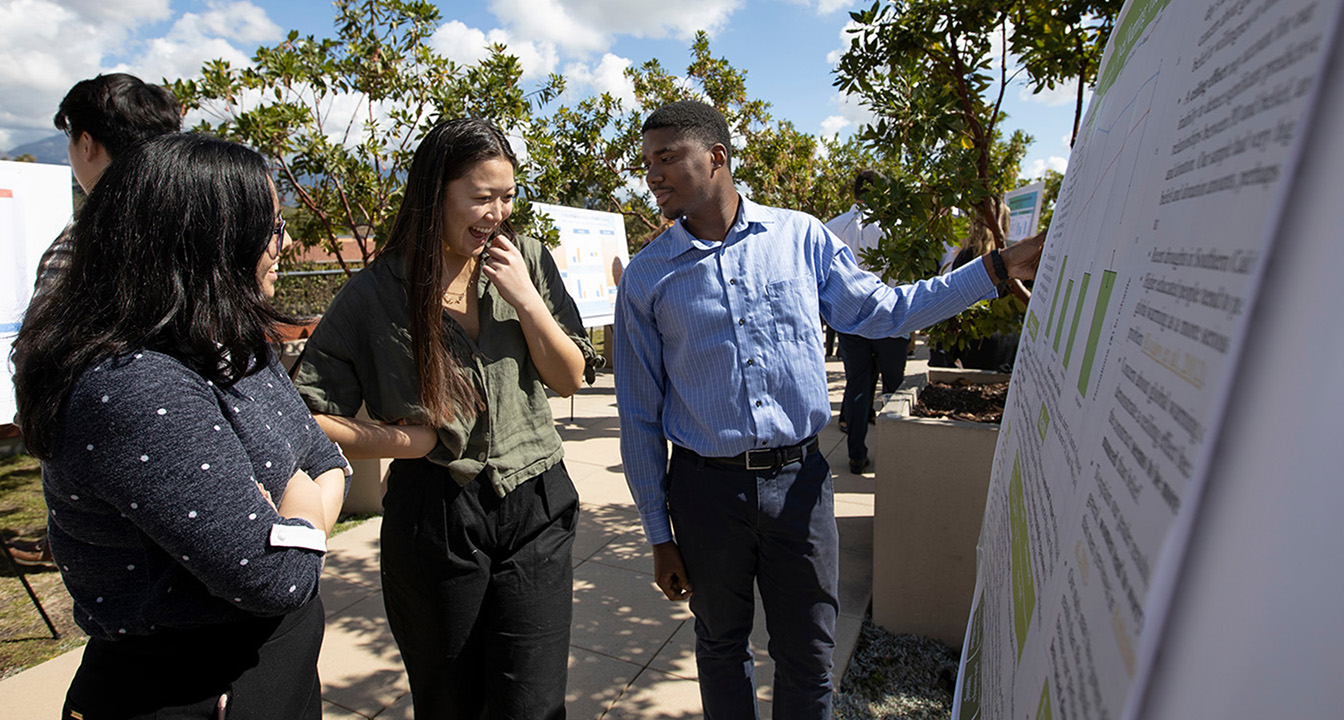
Student success has always been at the center of what we do at CMC. Hiram understands how much our students benefit from the many layers of support we have in place—from Romero Success Coaches to the (Murty Sunak) Quantitative Computing Lab to the Center for Writing and Public Discourse. He also believes deeply in the importance of labs and research institutes as places where students have meaningful opportunities to work beyond the classroom and apply what they are learning in real-world contexts.
Josh Morganstein ’25
CMC professors are teachers, researchers, and mentors simultaneously. The small class sizes, constant availability of professors, and boundless research opportunities make CMC an unrivaled place to learn. Today, my job involves a lot of problem solving, research, and presentations. When someone asks how I am able to present confidently to senior clients despite being so junior, I often joke that I already have four years of practice—it’s the same job I did as a research assistant at CMC, it’s just that now the clients have (unfortunately) replaced the professors.