Marian Miner Cook
Athenaeum

A distinctive
feature of social and
cultural life at CMC


Welcome to The Athenaeum

Unique in American higher education, the Marian Miner Cook Athenaeum (the “Ath”) is a signature program of Claremont McKenna College. Four nights a week during the school year, the Ath brings scholars, public figures, thought leaders, artists, and innovators to engage with the CMC and Claremont College community. In addition, the Ath also hosts lunch speakers, roundtables, and smaller presentations in its two auxiliary dining rooms.

For decades, the Ath has hosted a spectrum of luminaries with expertise and insight on a wide range of topics, both historical and contemporary. In the Ath’s intimate yet stimulating setting, students, faculty, staff, and other community members gather to hear the speaker, pose questions, and to build community and exchange ideas over a shared meal.

At the core of the Ath is a longstanding commitment to student growth and learning. Central to the Ath are its student fellows, selected annually to host, introduce, and moderate discussion with the featured speaker. Priority is given to students in attendance during the question-and-answer session following every presentation. Moreover, speakers often take extra time to visit a class, meet with student interest groups, or give an interview to the student press and podcast team.

Wed, April 22, 2026
Lunch Program
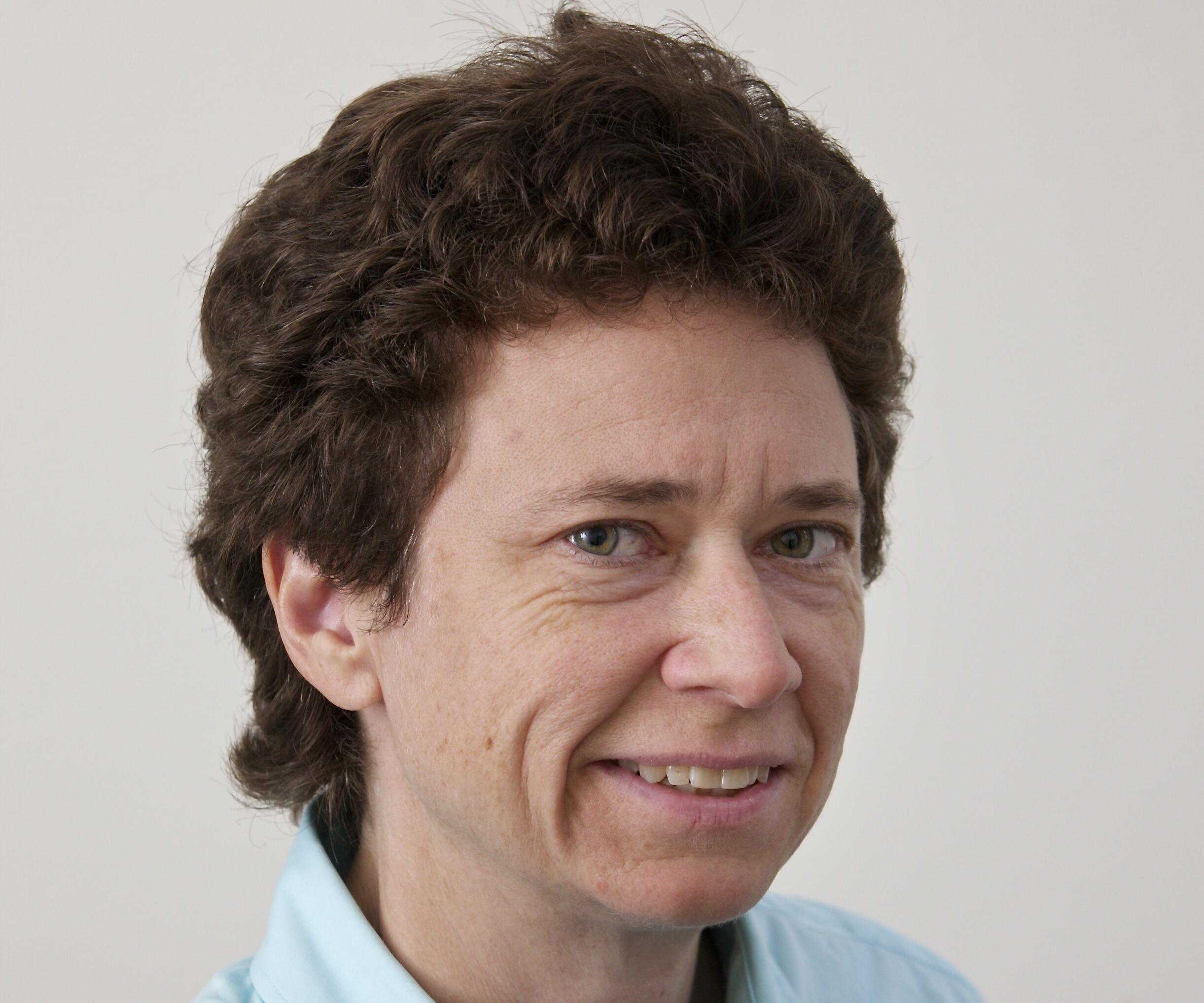
Lenny Fukshansky

A Special Russian Truth uncovers how a calculated Soviet disinformation campaign—engineered decades ago by the KGB to demonize Israeli statehood and sow division in the United States—planted the seeds of today’s anti-Israel rhetoric. Through first-person testimony and rigorous historical analysis, this eye-opening short film reveals the antisemitic roots behind familiar tropes, equipping viewers to distinguish propaganda from legitimate critique in the context of today’s conflicts. Featuring first-person testimony from respected historians, academicians, and peace activists from diverse religious and cultural backgrounds, this short film provides viewers with concrete tools to recognize professionally crafted antisemitic tropes and understand their historical context, distinct from legitimate political critique.

The program will feature a screening of this documentary, followed by a Q&A session with Lenny Fukshansky, Professor of Mathematics at CMC, who took part in its creation.

Read more about the speaker

For more information on this film, please visit: https://www.specialrussiantruth.com/

Read less

This event is not yet open for registration.
Wed, April 22, 2026
Dinner Program
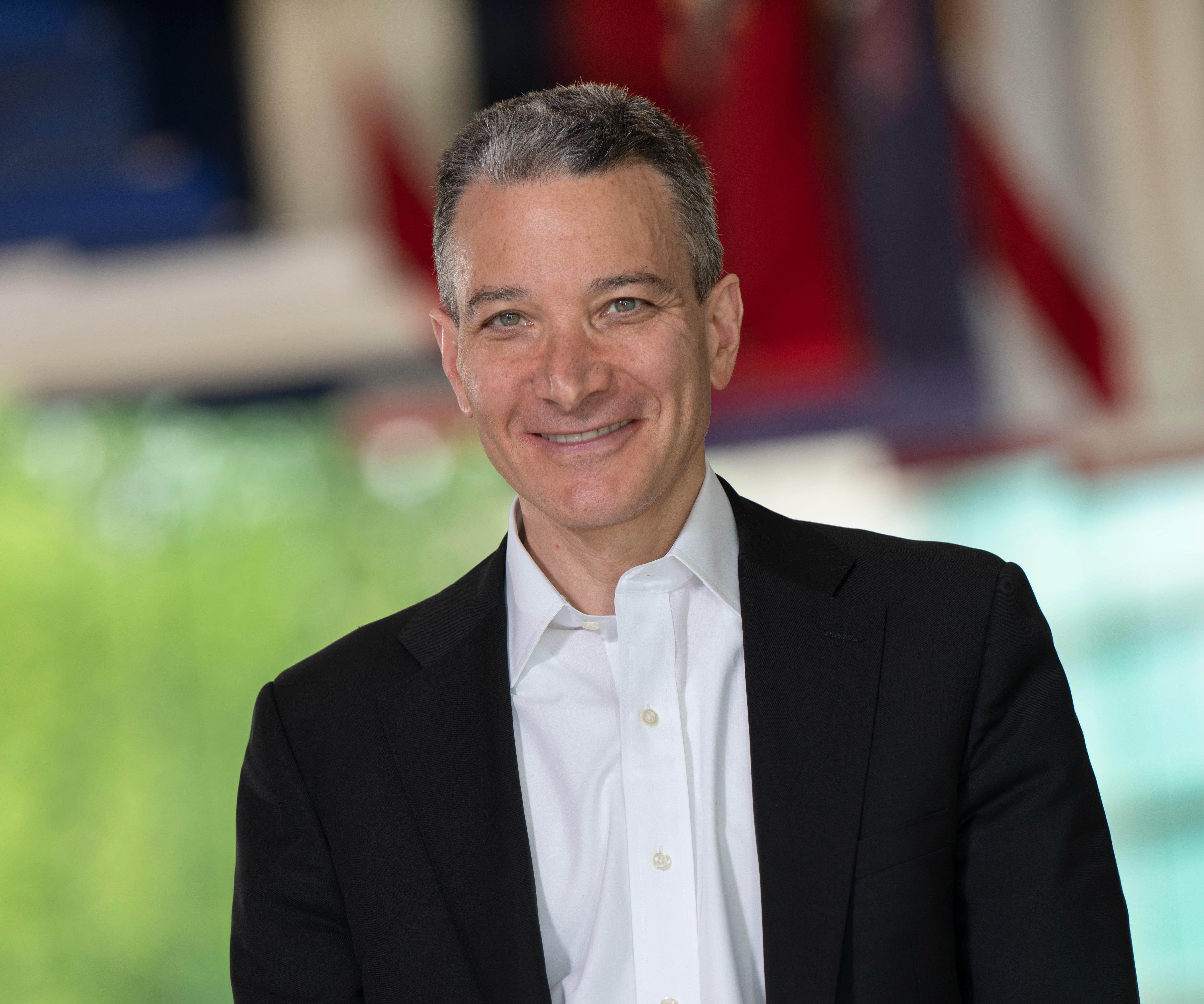
Daniel Libeskind

“Without memory we would not know where we are going or who we are—Memory is not a sideline for architecture, it's the fundamental way to orient the mind, the emotions, and the soul.”
—Daniel Libeskind

Daniel Libeskind is an internationally renowned architect and urban designer whose work spans cultural landmarks, museums, commercial institutions, private homes, and object design. Best known for the Jewish Museum Berlin, the Denver Art Museum, and as the master-plan architect for the World Trade Center site in New York City, Libeskind is recognized for creating buildings that resonate far beyond their physical form. His philosophy is rooted in the belief that architecture is infused with human energy and that buildings embody and communicate the cultural context in which they exist. Drawing on his deep engagement with philosophy, literature, art, and music, Libeskind expands the scope of architecture into a multidisciplinary reflection on human experience. In this keynote, he will reflect on how memory, history, and culture shape the built environment. Highlighting projects such as the Jewish Museum Berlin, the Military History Museum in Dresden, and social housing in Brooklyn, Libeskind will explore architecture as both a vessel of memory and a foundation for resilience.


Photo credit: Stefan Ruiz

Read more about the speaker

Polish-American architect Daniel Libeskind is an international figure in architecture and urban design. Informed by a deep commitment to music, philosophy, and literature, Libeskind aims to create architecture that is resonant, original, and sustainable.

Libeskind established his architectural studio, Studio Libeskind, in Berlin, Germany, in 1989 after winning the competition to build the Jewish Museum in Berlin. In February 2003, Studio Libeskind moved its headquarters from Berlin to New York City to oversee the master plan for the World Trade Center redevelopment, which is being realized in Lower Manhattan.

Libeskind’s practice is involved in designing and realizing a diverse array of urban, cultural, and commercial projects around the globe. The Studio has completed buildings that range from museums and concert halls to convention centers, university buildings, hotels, shopping centers, and residential towers. As Principal Design Architect for Studio Libeskind, Libeskind speaks widely on the art of architecture in universities and professional summits. His architecture and ideas have been the subject of many articles and exhibitions, influencing the field of architecture and the development of cities and culture.

Libeskind has won dozens of awards for his work including the Goethe Medal, the Hiroshima Peace Prize, the Dresden Peace Prize, and the European Union Prize for Civil Rights.

Mr. Libeskind's Athenaeum presentation is co-sponsored by the President's Office and the President's Leadership Fund.

Photo credit: Stefan Ruiz

(Special Note: This event had originally been scheduled for Wednesday, November 5, 2025. We are honoring the head table sign-ups from that original date. Students who had secured a head table spot (or were waitlisted for the head table) will have the right of first refusal for the head table. If you had a confirmed spot at the head table, we are aware of who you are and we will contact you directly in early April.)


Read less

This event is not yet open for registration.

Mon, April 27, 2026
Lunch Program
J.D. Rackey

Public frustration with Congress has been the status quo since the institution’s very first days. Many point to constant gridlock and high levels of partisanship as the main problems that have led to Congress’s recent decrepitude. While partisanship and gridlock do impact Congress’s ability to be a responsive and representative body, an often underdiscussed problem is that of the institution’s internal capacity. What resources does Congress need to effectively, efficiently, and transparently meet the needs of the American people? What incentives drive member behavior and how can the day-to-day workflow of the institution be altered to drive more bipartisan policymaking?

Read more about the speaker

J.D. Rackey is the associate director of the Structural Democracy project at the Bipartisan Policy Center where he leads their work on governing institutions and electoral systems reform. His research focuses on the politics and procedures of the U.S. Congress with an emphasis on congressional capacity and modernization. Rackey’s work has appeared in scholarly journals such as Political Science Today and Social Science Quarterly and has been published or cited in popular press outlets such as The Washington Post, The Wall Street Journal, The Hill, and CQ Roll Call. He also currently serves as president of the National Capital Area Political Science Association.

Rackey previously served as professional staff with the U.S. House of Representatives Select Committee on the Modernization of Congress. He has also been an adjunct lecturer at Georgetown University. He earned his Ph.D. in Political Science from the University of Oklahoma and is a former American Political Science Association Public Service Fellow.

Read less

This event is not yet open for registration.

Marian Miner Cook Athenaeum

Claremont McKenna College
385 E. Eighth Street
Claremont, CA 91711