Marian Miner Cook
Athenaeum

A distinctive
feature of social and
cultural life at CMC


Welcome to The Athenaeum

Unique in American higher education, the Marian Miner Cook Athenaeum (the “Ath”) is a signature program of Claremont McKenna College. Four nights a week during the school year, the Ath brings scholars, public figures, thought leaders, artists, and innovators to engage with the CMC and Claremont College community. In addition, the Ath also hosts lunch speakers, roundtables, and smaller presentations in its two auxiliary dining rooms.

For decades, the Ath has hosted a spectrum of luminaries with expertise and insight on a wide range of topics, both historical and contemporary. In the Ath’s intimate yet stimulating setting, students, faculty, staff, and other community members gather to hear the speaker, pose questions, and to build community and exchange ideas over a shared meal.

At the core of the Ath is a longstanding commitment to student growth and learning. Central to the Ath are its student fellows, selected annually to host, introduce, and moderate discussion with the featured speaker. Priority is given to students in attendance during the question-and-answer session following every presentation. Moreover, speakers often take extra time to visit a class, meet with student interest groups, or give an interview to the student press and podcast team.

Wed, April 1, 2026
Dinner Program
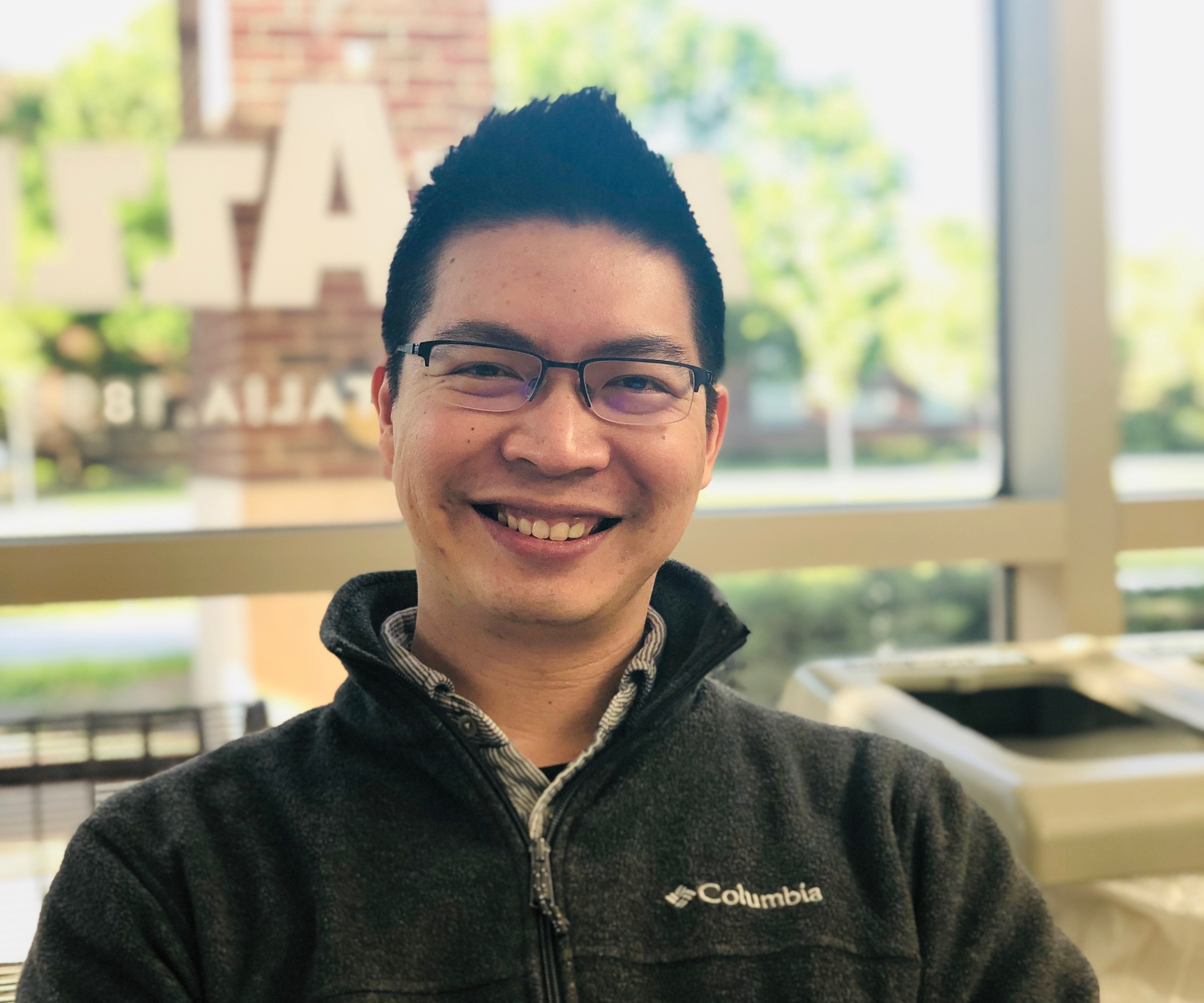
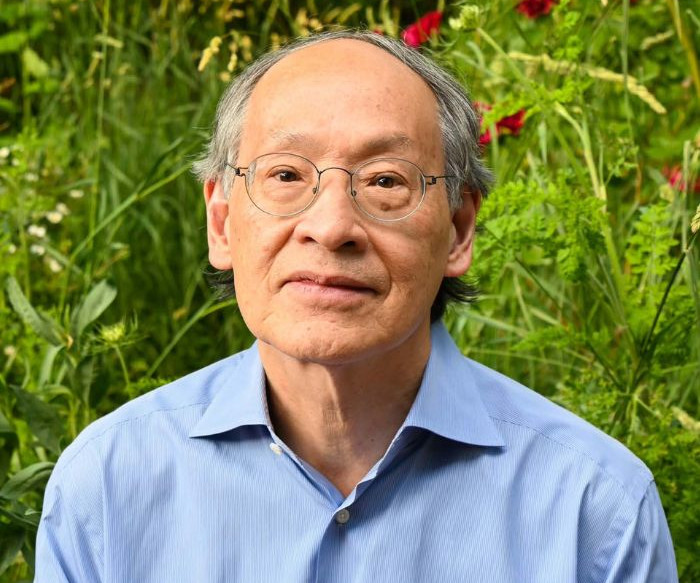
Louis Tay

Louis Tay, William C. Byham Professor of Industrial-Organizational Psychology at Purdue University and co-founder of ExpiWell, will address how psychological measurement can transform the way we detect and regulate bias in AI. As AI increasingly shapes consequential decisions in hiring, lending, and healthcare, public debates about algorithmic fairness often conflate three distinct concepts: difference, bias, and unfairness. This undermines both scientific evaluation and effective policymaking. Tay will discuss disentangle these concepts, providing principled approaches for evaluating bias in algorithmic assessments and large language model applications. The talk will conclude with implications for AI governance frameworks, anti-discrimination enforcement, and organizational accountability in an era of automated decision-making.

Read more about the speaker

Louis Tay is the William C. Byham Professor of Industrial-Organizational Psychology at Purdue University and Co-Founder of ExpiWell. A leading expert in psychological measurement, well-being, and artificial intelligence applications in psychology, Tay has pioneered frameworks for understanding how AI systems can be rigorously evaluated for bias using principles from psychometric theory.

Tay's scholarship has shaped multiple fields through his editorial leadership of major reference works. He has co-edited five handbooks: Big Data in Psychological Research (APA Books), Handbook of Well-Being (DEF Publishers), Handbook of Positive Psychology Assessment (Hogrefe), Oxford Handbook of the Positive Humanities (Oxford), and Technology and Measurement around the Globe (Cambridge). His research has appeared in journals including American Psychologist, Nature Human Behavior, Psychological Bulletin, and Journal of Applied Psychology.

Tay has contributed to United Nations research reports on well-being and consults for top tech companies and Fortune 500 organizations on topics including AI and measurement bias. He currently leads research funded by the John Templeton Foundation examining whether and how AI conversational agents can cultivate character virtues. As co-founder of the tech company ExpiWell, he developed a platform used by researchers worldwide for ecological momentary assessments.

Dr. Tay's Athenaeum presentation is co-sponsored by the President’s Office and Open Academy.

Read less

This event is closed.

Thu, April 2, 2026
Lunch Program
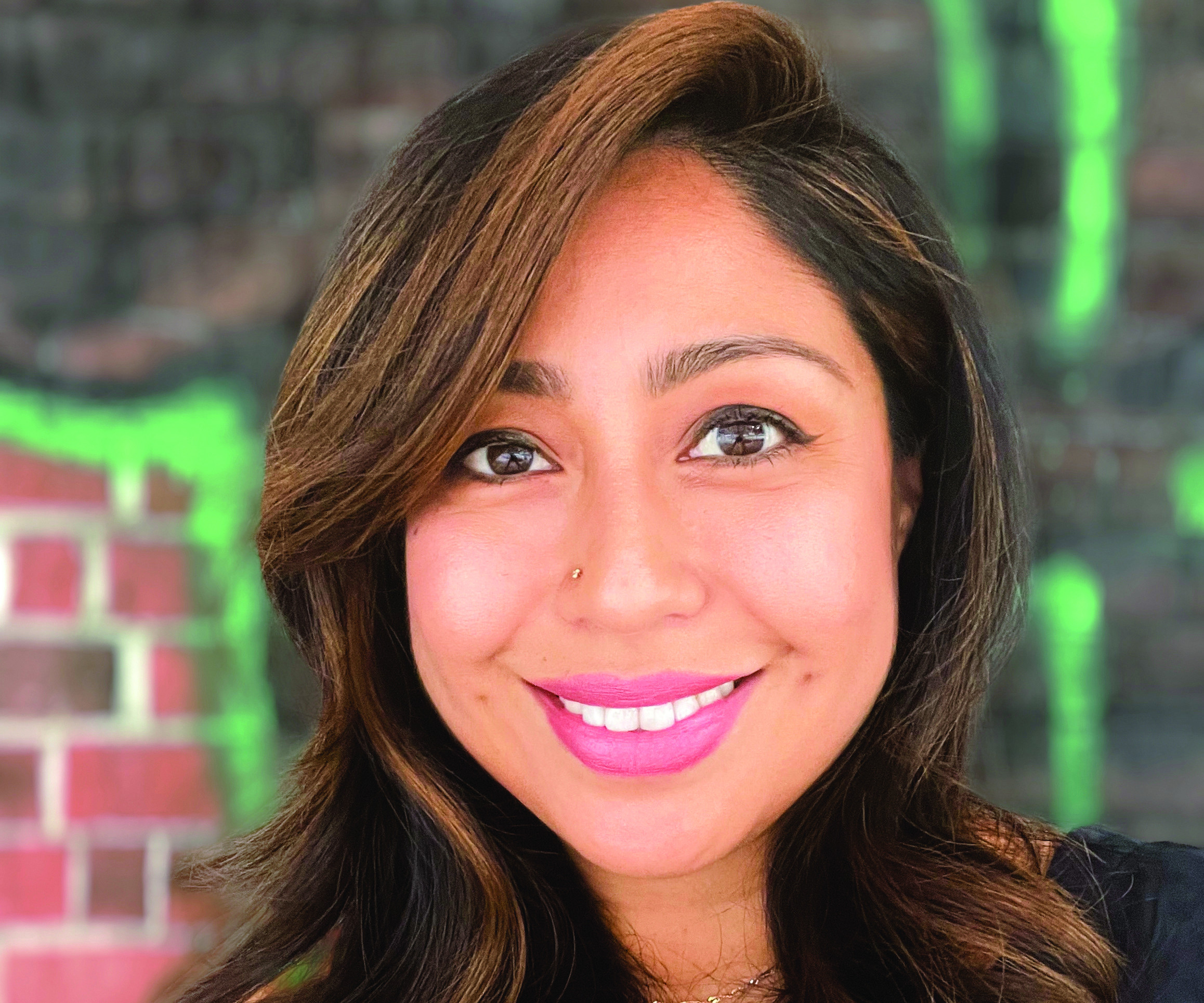
Cristina Jiménez

Cristina Jiménez is an award-winning community organizer, political strategist, and one of the leading voices in the immigrant justice movement. She is the Co-Founder and former Executive Director of United We Dream (UWD), the largest immigrant youth-led organization in the country. Her and her family immigrated to the U.S from Ecuador in 1998 to Queens, NY, where she grew up undocumented. 

Read more about the speaker

Under Jimenez's leadership, United We Dream grew to over one million members and played a critical role in securing the Deferred Action for Childhood Arrivals (DACA) program, protecting over 600,000 undocumented young people. Her work has been recognized by TIME Magazine (“TIME 100 Most Influential People”), the MacArthur Foundation (MacArthur “Genius” Fellowship), and many other organizations.

Today, Jiménez regularly speaks to national and international audiences, uplifting immigrant youth, organizing strategies, and policy advocacy. She currently serves as a Distinguished Lecturer at the City University of New York’s Colin Powell School and co-chair the Leadership for Democracy and Social Justice Institute.

Her memoir, Dreaming of Home, shares her personal journey from undocumented immigrant to movement leader. The book serves as a roadmap for organizing and collective liberation. This message echoes in features and reviews from The Washington Post, People Magazine, and more. 

Read less
Thu, April 2, 2026
Dinner Program
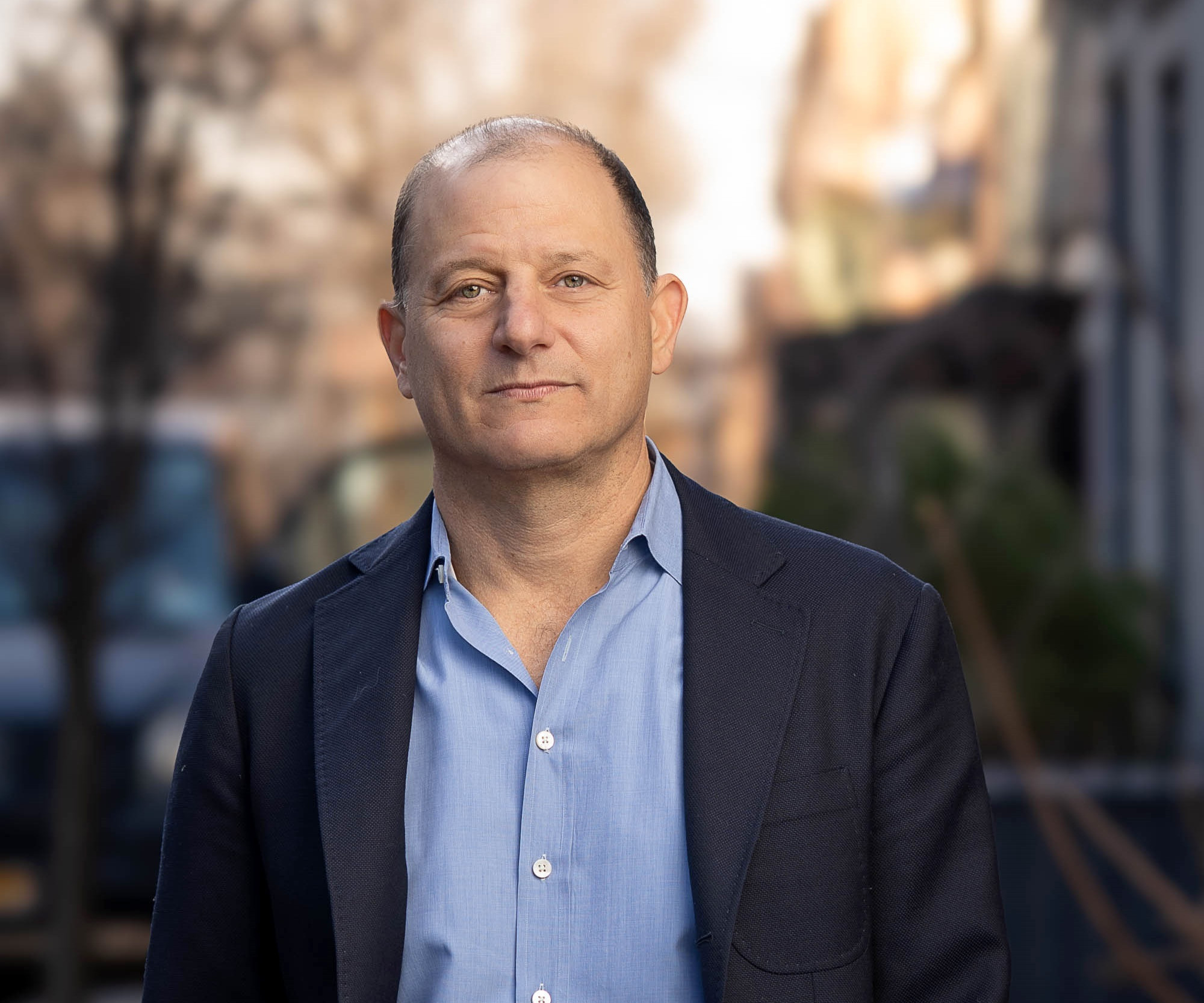
Jonathan Mahler P’26

Jonathan Mahler P’26, staff writer for The New York Times Magazine, will discuss his recent book, The Gods of New York: Egotists, Idealists, Opportunists, and the Birth of the Modern City, 1986–1990, which examines the metamorphosis of New York City. Offering a “kaleidoscopic and deeply immersive portrait of a city whose identity was suddenly up for grabs” (Amazon), Mahler explores how the late ’80s marked a period of profound transformation. Bringing to the forefront a cast of outsized characters, extraordinary wealth, social problems, and mounting crisis, he illustrates the city’s rebirth as a glitzy capital of global finance—and, as the New York Times observes, a "Petri dish of ego, ambition, and class division." This era permanently reshaped New York’s ethos and social fabric—birthing figures whose influence dominates today and foreshadowing the forces that now divide the nation, all the while elevating Zohran Mamdani to power.

(Photo credit: David Jacobs)

Read more about the speaker

Jonathan Mahler P’26 is a longtime staff writer for The New York Times Magazine and the author of the bestselling Ladies and Gentlemen, the Bronx Is Burning, which was adapted as an ESPN miniseries; The Challenge; and The Gods of New York, which was named a best book of the year by the New York Times, the New Yorker, the Economist, and Amazon. At the Times magazine, he covers a wide range of topics including politics, entertainment, education, media, the law, sports. His journalism has received numerous awards and been featured in The Best American Sports Writing.

(Photo credit: David Jacobs)

Read less
Mon, April 6, 2026
Dinner Program
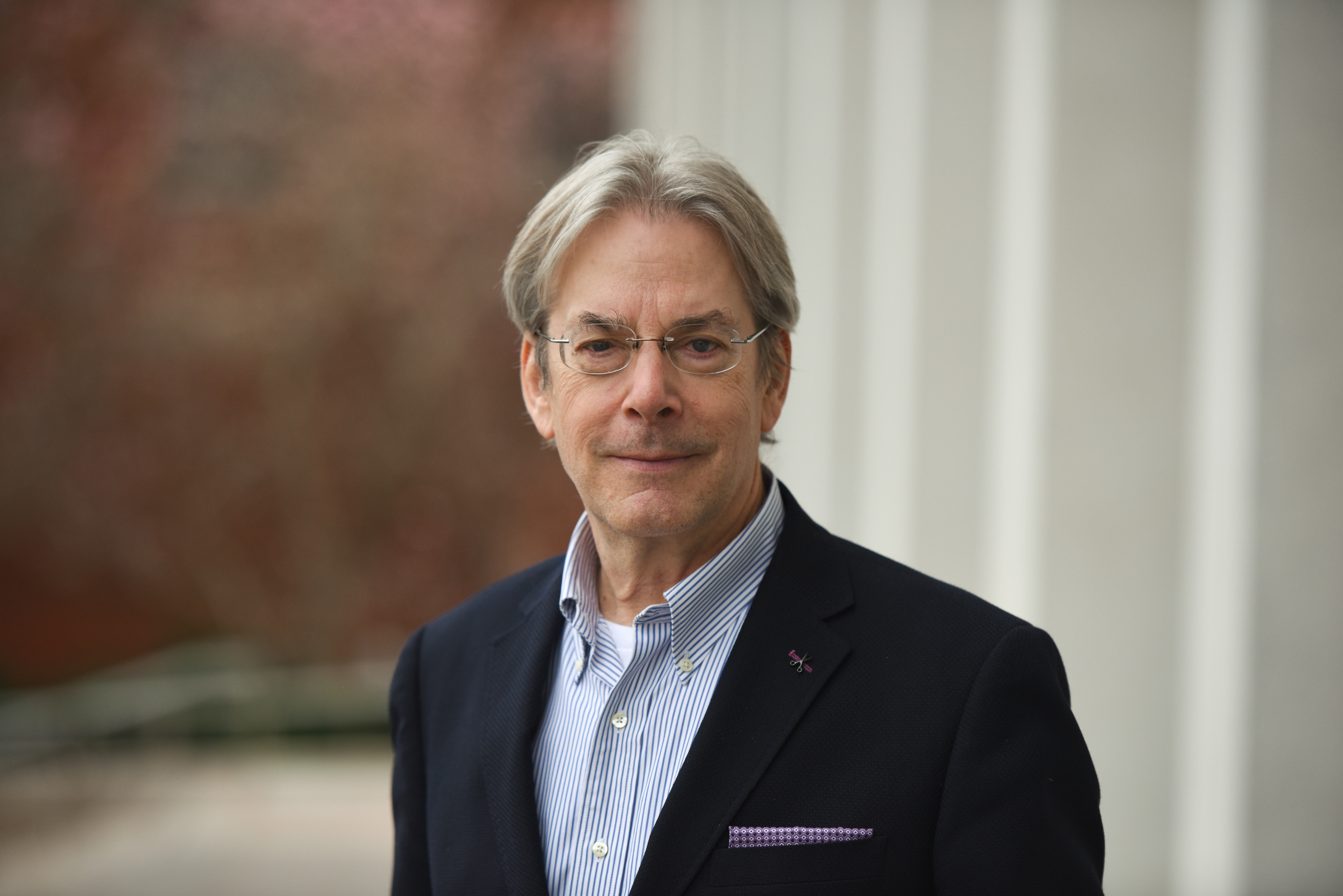
G. John Ikenberry

For eighty years, the United States has been the leader of a liberal international order, drawing allies and partners from around the world together in a system of trade, political, and security cooperation. Under Trump 2.0, the United States is now taking a wrecking ball to this order. Across the wider world, arms conflict, mercantilism, populist nationalism, and imperial geopolitics is on the rise, while multilateralism and global problem-solving is in decline. Does liberal internationalism—the cooperative building of world politics around openness and rules-based relations—have a future? Surprisingly, argues G. John Ikenberry, professor of politics and international affairs at Princeton University, the answer is yes.

Read more about the speaker

G. John Ikenberry is the Albert G. Milbank Professor of Politics and International Affairs at Princeton University in the Department of Politics and the School of Public and International Affairs. Ikenberry is also a Global Eminence Scholar at Kyung Hee University in Seoul, Korea. In 2018-2019, Ikenberry was a Visiting Fellow at All Souls College, Oxford University. In 2013-2014, Ikenberry was the 72nd Eastman Visiting Professor at Balliol College, Oxford, and a Fellow at All Souls College, Oxford. Ikenberry is a Fellow of the American Academy of Arts and Sciences. 

Ikenberry is the author of eight books, most recently, A World Safe for Democracy:  Liberal Internationalism in the Making of Modern World Order (Yale, 2020), and Debating Worlds: Contested Narratives of Global Modernity and World Order (Oxford, 2023). He is also author of After Victory: Institutions, Strategic Restraint, and the Rebuilding of Order after Major Wars (Princeton, 2001), and Liberal Leviathan: The Origins, Crisis, and Transformation of the American World Order (Princeton, 2011).

Professor Ikenberry will deliver the 2025-26 Lecture in Diplomacy and International Security in Honor of George F. Kennan.

Read less
Tue, April 7, 2026
Lunch Program
Peter Uvin

The Rwandan genocide, also known as the Genocide Against the Tutsi, occurred between April and July 1994 during the Rwandan Civil War. During that period, hundreds of thousands of Tutsi civilians in Rwanda fell victim to genocide and terror.  On this 32nd annual Day of Remembrance, Peter Uvin, professor of government at Claremont McKenna College, honors the lives of those who were lost or forever traumatized and shares lessons drawn from this tragic era of Rwanda’s history.

Read more about the speaker

Over the span of approximately 100 days in the spring of 1994, members of the Tutsi ethnic group, as well as some moderate Hutu and Twa, were systematically killed by Hutu militias. While the Rwandan Constitution states that over 1 million people were killed, scholarly estimates suggest between 500,000 and 662,000 Tutsi died.  The genocide was marked by extreme violence, with victims often murdered by neighbors, and widespread sexual violence.  By the time the Tutsi-led Rwandese Patriotic Front gained control of the country through a military offensive in early July, hundreds of thousands of Rwandans were dead and 2 million refugees (mainly Hutus) fled Rwanda, exacerbating what had already become a full-blown humanitarian crisis.

April 7th is honored annually as the Day of Remembrance, or Genocide Against the Tutsi Memorial Day – this year marking the 32nd annual commemoration which honors of all those whose lives were lost or forever changed by the genocide in Rwanda. In his remarks, Professor Peter Uvin will provide historical context and discuss lessons learned from this tragic era of Rwanda’s history and give insights into the country’s post-conflict recovery and healing.  Professor Uvin is a Belgian-born American political scientist and Professor of government and international relations at CMC where he has also held positions as the Vice President for academic affairs and the Dean of Faculty. He is the author of four books, including Aiding Violence: The Development Enterprise in Rwanda, which won the Herskovits Prize of the African Studies Association in 1999.

In addition to his focus on Rwanda, Professor Uvin’s other areas of expertise include Burundi, conflict resolution, international development, food policy, human rights, and NGO scaling up.  Uvin earned his Ph.D. in Political Science from the Graduate Institute of International and Development Studies at the University of Geneva, Switzerland.  He was the Henry Leir Professor in Humanitarian Studies at Tufts University (2000), and academic dean of the Fletcher School of Law and Diplomacy at Tufts (2007-2013) and a Guggenheim Fellow in 2006.  In 2013 he was hired by Amherst College as its first provost before joining the CMC faculty in 2015.

Professor Uvin’s talk is co-sponsored by the Mgrublian Center for Human Rights at CMC.

Read less
Tue, April 7, 2026
Dinner Program
Ruth Marcus

Ruth Marcus, writer and political commentator, contributor to the New Yorker Magazine, and former staff writer, associate editor, and columnist at the Washington Post, will address issues confronting the modern American press including political interference and polarization, commercial dependence and powerful ownership structures, regulatory vulnerability, competition from social media, national attention deficit, AI generated content, rise of public distrust and alternative facts, journalistic ethics and dilemmas, and more. Is freedom of the press, as enshrined in the First Amendment of the U.S. Constitution, under siege? What are the stakes for our democracy and how do we sustain and preserve this central constitutional principle?

Read more about the speaker

Ruth Marcus is a contributing writer at The New Yorker who focusses on law, the courts, and the rule of law under President Trump. She joined The New Yorker after a 40-year career at the Washington Post, where, most recently, she was an associate editor and an opinion columnist. During her time at the Post, from where she resigned in protest in spring 2025, she covered the White House, the Supreme Court, and the Justice Department; served as deputy national editor; and was a deputy editor overseeing the op-ed section. She was a finalist for the 2007 Pulitzer Prize in Commentary. 

Marcus holds a B.A. from Yale College, where she wrote for the Yale Daily News, and a J.D. from Harvard Law School.

(Excerpted from the New Yorker Magazine)

Read less
Wed, April 8, 2026
Lunch Program
Jane Naomi Iwamura

How does the cinematic lens capture the evolution of the human soul? A decade remembered for the rise of the blockbuster, the 1990s also hosted a profound spiritual revolution led by filmmakers of color. Jane Naomi Iwamura, professor of religious studies at the University of the West, explores how Spike Lee, Gregory Nava, and Justin Lin utilized the language of film to map the interiority and religious landscapes of marginalized communities, challenging the secular and racial boundaries of American identity. At the heart of this inquiry is a deep analysis of Spike Lee’s 1992 epic, Malcolm X. By centering the spiritual metamorphosis of an American icon, Lee moved beyond political biography, using evocative cinematography and pacing to offer a visceral study of faith and conversion. These groundbreaking narratives dismantled stereotypes and laid the vital groundwork for a contemporary cinema that treats the screen as a mirror of our collective souls.

Read more about the speaker

Jane Naomi Iwamura is Professor of Religious Studies at the University of the West. Her interdisciplinary research focuses on Asian American religions, race, and popular culture in the United States, with a specialized emphasis on visual culture and Japanese American lived religions. She is the author of Virtual Orientalism: Religion and Popular Culture in the U.S. (Oxford, 2011) and co-editor of Revealing the Sacred in Asian and Pacific America (Routledge, 2003). Her scholarship has appeared in journals, including American Quarterly and Amerasia Journal.

Iwamura co-founded the Asian Pacific American Religions Research Initiative (APARRI), where she serves as a Co-PI and Project Director. She also sits on the National Editorial Board of the Journal of Feminist Studies in Religion

Iwamura holds a Ph.D. in Rhetoric from UC Berkeley and an MTS from Harvard Divinity School, bringing a rich background in philosophy, cultural studies, and religious history to her work.

Dr. Iwamura's Athenaeum presentation is co-sponsored by the Kutten Lectureship in Religious Studies at CMC.

Read less
Wed, April 8, 2026
Dinner Program
David Armitage

To mark the 250th anniversary of the US Declaration of Independence, David Armitage, Harvard's Lloyd C. Blankfein Professor of History, traces the Declaration's travels around the globe, to show how its meaning for Americans was different from the way other peoples understood it and how the Declaration encouraged the spread of anti-colonialism, opposition to empire, secession and statehood around the world right up to our own time.

Read more about the speaker

David Armitage is a prize-winning writer and teacher who has a worldwide reputation for his historical work. He is currently the Lloyd C. Blankfein Professor of History at Harvard University and an Honorary Fellow of St Catharine's College, Cambridge. 

Armitage has written extensively about the histories of Britain, the British Empire, and the United States, with a particular focus on the international and global trajectory of political ideas. His nineteen books as author or editor include The Ideological Origins of the British Empire (2000), Foundations of Modern International Thought (2014), Civil Wars: A History in Ideas (2017) and, most relevant to the Athenaeum lecture, The Declaration of Independence: A Global History (2007). He is currently working on a study of opera and international law.

Professor Armitage is the inaugural speaker for the Class of 1974 Speaker Series.

Read less
Thu, April 9, 2026
Lunch Program
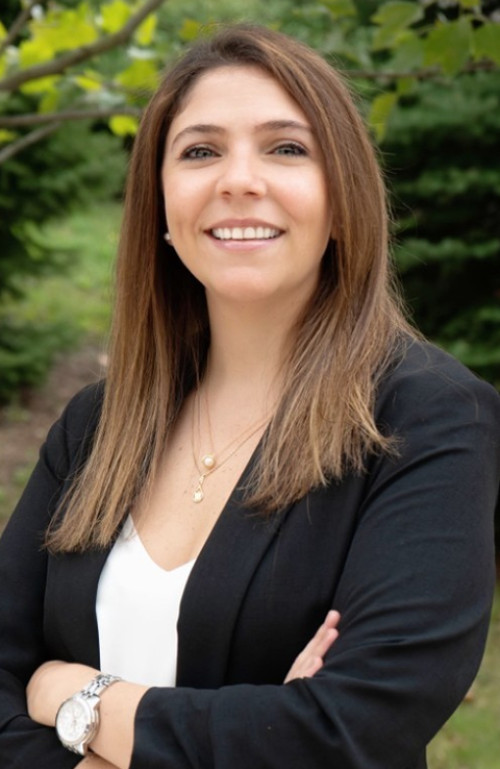
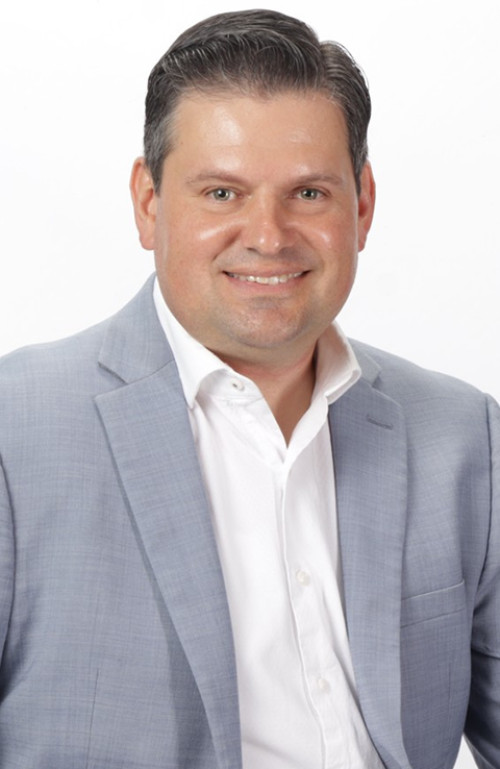
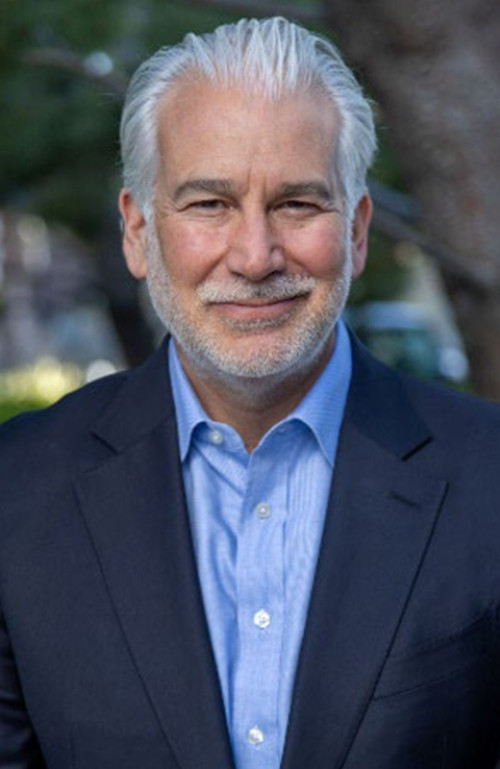
Jess Adkins, Sylvia del Castillo, Jeff Simonetti '05, and Daniel Weiss

The Symposium on Climate Innovation and Finance (“SCIF”), co-organized by the Financial Economics Institute (FEI) and Roberts Environmental Center (REC), will feature a panel of distinguished guests including thought leaders, industry experts, and emerging voices to explore the critical intersection of climate action and financial innovation. The program includes keynotes by Daniel Weiss, one of the leading investors in the world of climate-tech and sustainability, and Jess Adkins, professor at Caltech, who is renowned for his research on pre-historic climate change. Additionally, we will have two insightful talks by industry-leaders, including Sylvia del Castillo on “Decarbonizing Supply Chains” and Jeff Simonetti ’05 on “Water Rights.” This program offers a unique opportunity to engage with industry leaders, alumni, and fellow students for insightful conversations, valuable networking, and an insider perspective on the very pressing issues around climate innovation and finance.

Read more about the speaker


Image
Image of Jess Adkins

Jess Adkins is the Smits Family Professor of Geochemistry and Global Environmental Science at Caltech. He is a chemical oceanographer focused on using trace metals as tracers of environmental processes. His research centers on the geochemical investigation of past climates, particularly across the last few glacial–interglacial cycles spanning several hundred thousand years. This interval is especially valuable because it combines relatively accurate and precise age models—though continually improving—with large climatic shifts that require mechanistic explanation. Prof. Adkins draws on high-resolution climate records, especially from polar ice cores, which reveal both the rapidity and magnitude of past climate change. For instance, oxygen isotope variations from the Greenland Summit over the past 110,000 years serve as a proxy for air temperature. Within this record, the last 10,000 years—the Holocene—stand out for their relative climatic stability compared to the preceding glacial period, which was marked by large and abrupt transitions between cold and warm conditions. As an oceanographer, Adkins aims to understand the coupled ocean–atmosphere system during these shifts, with a particular focus on deep ocean behavior. Much of his work has involved developing deep-sea corals as a novel climate archive, with the potential to significantly expand the types of information available about oceanographic climate change. Adkins currently leads several projects in his lab that are aimed at uncovering the mechanisms behind rapid climate change and long-term climate evolution.

Image
Silvia Del Castillo

Silvia Del Castillo is a sustainability professional with over 10 years of experience and a Master's degree in Sustainability Management from the University of Toronto. She serves as Sustainability Manager at Nefab, a global industrial packaging and logistics services company supporting industries such as Telecom, Datacom, Semicon, Energy, Healthcare Equipment, Mining & Construction, and LiB & E-mobility. In her role, Del Castillo leads corporate sustainability initiatives across the Americas, overseeing carbon reduction, circularity, and sustainability reporting to drive environmental impact. She acts as the primary point of contact for customers on sustainability topics and conducts internal corporate training on Nefab’s Life Cycle Assessment (LCA) tool and climate change. Aligned with Nefab’s purpose to save resources in supply chains, she supports customers in achieving their sustainability targets and is committed to developing and implementing strategies that create measurable impact.

Her talk is titled "Decarbonizing Supply Chains Through Packaging Innovation."


Image
Jeff Simonetti

Jeff Simonetti '05 is the CEO & Founder of the Aqua Exchange, a firm that specializes in water transaction consulting and execution. His firm assists clients in buying and selling water including master planned communities, large agricultural operators, and groundwater sustainability agencies. Simonetti has more than two decades of experience developing public policy and governments affairs strategies, particularly in the land-use, environmental, and water arenas. Prior to founding the Aqua Exchange, Simonetti was the Director of Government Affairs for the Building Industry Association Baldy View Chapter, a residential real estate trade association in Southern California, where he provided advocacy and consulting on a variety of issues including water, greenhouse gas emissions regulations, and state and local regulatory fees associated with homebuilding. He is currently a senior vice president at the Capitol Core Group, an advocacy firm that provides clients advocacy services at the federal, state and local levels. Capitol Core’s areas of expertise include water, infrastructure, renewable energy, and land use. Simonetti earned a bachelor’s degree in PPE from Claremont McKenna College and a master’s degree in finance and entrepreneurship from Boston University.


His talk is titled "From Lettuce to AI: How the Water Crisis is Affecting Everything in the Western US."
 

Image
Daniel Weiss

Daniel G. Weiss is Co-Founder and Managing Partner of Angeleno Group LLC (“AG”), a Los Angeles-based venture capital and growth equity firm focused on global investments in next-generation clean energy and climate solutions companies. In addition to his firm management responsibilities, Weiss leads investments and serves on boards of multiple AG portfolio companies. Before the formation of AG in 2001, Weiss was an attorney at O’Melveny & Myers in Los Angeles, working in the firm’s mergers and acquisitions and international and high technology practice groups. He represented multiple Global 1000 clients, including utilities and energy-related companies, in a wide array of private equity and corporate finance transactions. Currently, he serves on boards for several non-profit and educational institutions, including the California Community Foundation, World Resources Institute (where he serves as Vice Chair), Smithsonian National Museum of American History, and UCLA Institute of the Environment and Sustainability Advisory Board (where he serves as co-chair). Previously, Weiss served on the Federal Reserve Bank’s 12th District Economic Advisory Council, Stanford Law School Board of Visitors, and City of Los Angeles Redistricting Commission (appointed by the Honorable Eric Garcetti). Weiss was appointed by President Barack Obama in 2015 to serve as a member of the U.S. Holocaust Memorial Council in Washington, DC. He is a member of the Pacific Council on International Policy and the Council on Foreign Relations. In addition, he has taught, lectured, and published articles on topics of climate finance, sustainability, and the low carbon economy. Weiss holds a JD from Stanford Law School, an MA from Stanford University, and a BA with High Honors from UC Berkeley.

His talk is titled "Peril or Promise: Climate Finance and CleanTech Investment in a New Era of Change."

Please note a SPECIAL SCHEDULE for this program, which is co-organized by the Financial Economics Institute (FEI) and Roberts Environmental Center (REC):

10:30-10:40 AM | Opening Remarks
10:40-11:20 AM | Keynote: Daniel Weiss, "Peril or Promise: Climate Finance and CleanTech Investment in a New Era of Change," followed by Q & A 
11:20-11:30 AM | Short Break
11:30-12:00 PM | Presentation: Silvia del Castillo on "Decarbonizing Supply Chains"
12:00-12:30 PM | Presentation: Jeff Simonetti '05 on "Water Rights"
12:30-1:20 PM | Lunch
1:20-2:00 PM | Keynote: Jess Adkins on Climate Innovation, followed by Q & A 
Read less
Mon, April 13, 2026
Dinner Program
Arthur Sze

The 2025-26 United States Poet Laureate Arthur Sze's poetry is recognized for its "intellectual and visceral experience" (Brooklyn Rail). The Library of Congress describes his "poetry as distinctly American in its focus on the landscapes of the Southwest, where he has lived for many years, as well as in its great formal innovation. Like Emily Dickinson and Walt Whitman, Sze forges something new from a range of traditions and influences – and the result is a poetry that moves freely throughout time and space.” Sze will offer his reflections and read from his vast collection of works.

Read more about the speaker

Arthur Sze is a poet, translator, and editor, and in 2025 he was named the 25th Poet Laureate of the United States. 

He is the author of twelve books of poetry, including Into the Hush (2025) and The White Orchard: Selected Interviews, Essays, and Poems (2025); The Glass Constellation: New and Collected Poems (2021); Sight Lines (2019), for which he won the National Book Award; Compass Rose (2014); The Ginkgo Light (2009); Quipu (2005); The Redshifting Web: Poems 1970–1998 (1998); and Archipelago (1995). He also authored Transient Worlds: On Translating Poetry (forthcoming from Copper Canyon Press, 2026), The Silk Dragon II: Translations of Chinese Poetry (2024), and edited Chinese Writers on Writing (2010). 

His poetry has been translated into fifteen languages, including Chinese, Dutch, German, Portuguese, and Spanish. Sze received the 2025 Bollingen Prize for lifetime achievement in American poetry, the 2024 Rebekah Johnson Bobbitt National Prize for Poetry, 2024 National Book Foundation Science + Literature award, the Ruth Lilly Poetry Prize, the Shelley Memorial Award, the Jackson Poetry Prize, a Lannan Literary Award, and a Guggenheim Fellowship, among others. A chancellor emeritus of the Academy of American Poets and a fellow of the American Academy of Arts and Sciences, he was the 2023–2024 Mohr Visiting Poet at Stanford University. 

Professor emeritus at the Institute of American Indian Arts (IAIA), Sze was the first poet laureate of Santa Fe, where he lives with his wife, the poet Carol Moldaw.

Mr. Sze's Athenaeum reading is co-sponsored by the department of literature, the Salvatori Center, and the President's Leadership Funds.  

Read less

This event is not yet open for registration.

Marian Miner Cook Athenaeum

Claremont McKenna College
385 E. Eighth Street
Claremont, CA 91711